Understanding the psychology of risk in casino gaming environments
The Nature of Risk in Gambling
The concept of risk is fundamental to the experience of casino gaming. Players frequently engage with the uncertainty surrounding outcomes, which is central to what makes gambling both thrilling and potentially harmful. As you explore various platforms, you’ll discover that the best new online casino australia emphasizes how the psychological allure of risking money for a chance at reward taps into deeper cognitive mechanisms, such as the desire for excitement and the hope of sudden financial gain.

This thrill often leads players to underestimate the odds stacked against them. Many gamblers may believe they can overcome these odds through strategy or luck, creating a sense of control that often does not exist. This illusion can drive further risk-taking behavior, as players chase losses or seek to replicate past successes, all while overlooking the inherent dangers of their choices.
The Role of Emotion in Decision-Making
Emotions play a significant role in how individuals approach risk in casino environments. Feelings such as excitement, fear, and even frustration can heavily influence betting decisions. When players experience a win, the rush of endorphins can lead to a heightened sense of confidence, encouraging them to increase their bets. Conversely, after a loss, emotions may prompt players to gamble more aggressively in an attempt to recoup their losses.
This emotional cycle can create a precarious relationship with risk. For many, it leads to a pattern of behavior driven by highs and lows rather than rational decision-making. The inability to make detached choices can result in an escalation of risk, affecting not only financial status but also psychological well-being.
The Influence of Cognitive Biases
Cognitive biases are another critical aspect of the psychology of risk in casinos. Players often fall victim to biases such as the gambler’s fallacy, where they believe that past events influence future outcomes. For instance, a player might think that a slot machine is “due” for a payout after a series of losses, which is a misconception since each spin is independent of the last.
These biases can lead to a distorted perception of risk and reward. The more players indulge in such thinking, the more they may justify their risky behavior, making them susceptible to significant losses. Understanding these cognitive traps can help players recognize and mitigate their impact on gambling behavior.
The Environment and Social Influence
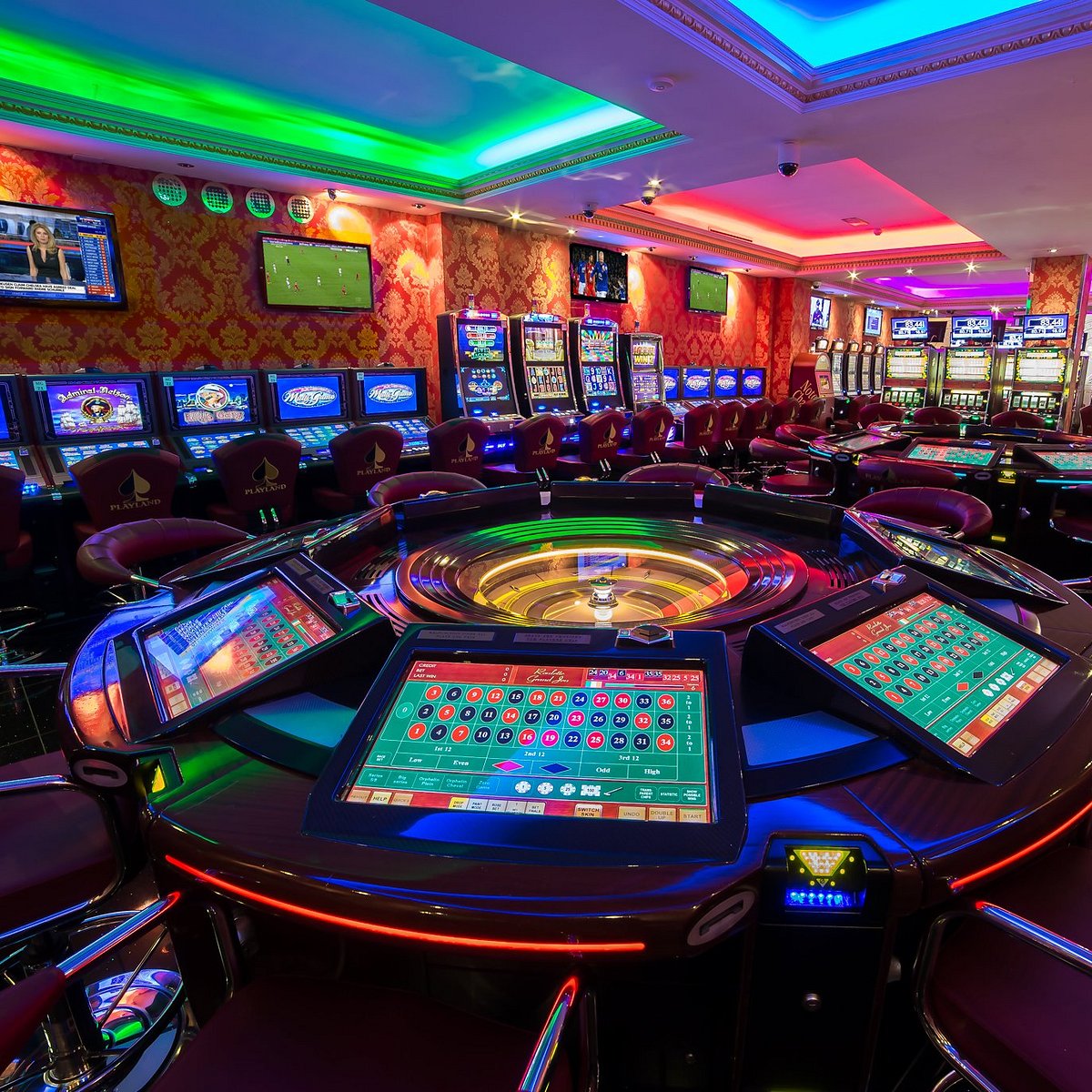
The casino environment itself plays a substantial role in shaping risk perception. Bright lights, sounds, and the overall atmosphere are designed to create an exhilarating experience that often enhances the urge to take risks. The social aspect of gambling, whether at physical tables or through online platforms, can further amplify this effect. The presence of others can create a sense of camaraderie, encouraging riskier bets.
Furthermore, social validation can heighten the emotional stakes. Observing peers win can create pressure to engage in similar behavior, pushing individuals to gamble more than they originally intended. This dynamic not only fosters an environment conducive to risk-taking but also influences individual decisions significantly.
Exploring Responsible Gaming
Understanding the psychology of risk in casino gaming environments is vital for promoting responsible gambling practices. Awareness of the emotional and cognitive factors that influence risk can empower players to make informed decisions. This includes setting limits on spending, recognizing when to walk away, and acknowledging the signs of problematic gambling behavior.
Educating players about the realities of odds, the importance of self-control, and the potential pitfalls of cognitive biases can foster a healthier gaming culture. By prioritizing responsible gaming, players can continue to enjoy the excitement of casinos while minimizing the risks associated with excessive gambling.